Gamification in Education: A Deep Dive into Engagement, Motivation, and Meaningful Learning
Rethinking Learning in the Digital Age
Education is undergoing a profound transformation. Traditional teaching methods—centered on passive consumption of information—are increasingly struggling to meet the expectations of modern learners. Today’s students grow up in a world shaped by interactivity, instant feedback, and digital immersion. As a result, educators are searching for approaches that not only deliver knowledge but also sustain attention, inspire curiosity, and encourage active participation. One of the most promising responses to this challenge is gamification.
Gamification in education is not about turning classrooms into video games. Rather, it is the thoughtful integration of game-like elements into learning environments to make the educational experience more engaging, structured, and motivating. When implemented correctly, gamification taps into fundamental human drives—achievement, competition, collaboration, and exploration—transforming learning from a passive obligation into an active pursuit.
Understanding the Core of Gamification
At its essence, gamification applies mechanics commonly found in games—such as points, progression systems, challenges, and rewards—to non-game contexts. In education, these mechanics serve as tools to guide behavior, reinforce progress, and maintain engagement over time.
What makes gamification particularly effective is its alignment with how people naturally learn and stay motivated. Games are designed to keep players engaged through clear goals, immediate feedback, and a sense of progression. By bringing these elements into education, instructors can create environments where students feel a continuous sense of purpose and accomplishment.
Unlike traditional grading systems, which often provide delayed and sometimes discouraging feedback, gamified systems emphasize ongoing progress. Students are not simply evaluated at the end—they are continuously guided, rewarded, and encouraged throughout their learning journey.
The Psychology Behind Gamified Learning
To understand why gamification works, it is important to look at the psychological mechanisms it activates. Motivation can be broadly divided into intrinsic and extrinsic types. Intrinsic motivation comes from within—curiosity, interest, or the satisfaction of mastering a skill. Extrinsic motivation, on the other hand, is driven by external rewards such as grades, recognition, or prizes.
Gamification bridges these two forms of motivation. On the surface, elements like points and badges provide extrinsic incentives. However, when designed thoughtfully, they also nurture intrinsic motivation by creating a sense of achievement, autonomy, and progression.
Another critical factor is the concept of “flow,” a mental state in which individuals are fully immersed in an activity. Games are particularly effective at inducing flow because they balance challenge and skill level. Gamified learning environments can replicate this balance, ensuring that tasks are neither too easy nor overwhelmingly difficult, thereby maintaining student engagement.
Designing Meaningful Game Elements in Education
The success of gamification depends not on the presence of game elements, but on how they are designed and integrated into the learning process. Points, for instance, are more than just numerical scores—they represent progress and effort. When aligned with meaningful achievements, they can reinforce positive behaviors and encourage persistence.
Badges and achievements act as symbols of accomplishment. They provide students with visible milestones that validate their efforts and mark their growth. Unlike traditional grades, which often summarize performance, badges can highlight specific skills or competencies, giving learners a more nuanced understanding of their abilities.
Leaderboards introduce a social dimension to learning. By making progress visible, they can foster healthy competition and encourage students to push themselves further. However, their effectiveness depends on careful implementation. If not balanced properly, they can discourage those who fall behind. Thoughtful design ensures that competition remains motivating rather than intimidating.
Challenges and quests are perhaps the most powerful elements of gamification. They transform learning objectives into missions, giving students a clear sense of direction. Instead of simply completing assignments, learners embark on structured journeys where each task contributes to a larger goal. This narrative-driven approach makes learning more immersive and meaningful.
Transforming the Learning Experience
Gamification reshapes not only how students interact with content but also how they perceive learning itself. Traditional education often separates effort from reward, with long delays between action and feedback. Gamified systems close this gap, providing immediate responses that help students understand their progress in real time.
This immediacy is crucial. When learners receive instant feedback, they can quickly adjust their strategies, correct mistakes, and build confidence. Over time, this creates a more dynamic and responsive learning environment.
Moreover, gamification introduces a sense of agency. Students are no longer passive recipients of information—they become active participants in their own learning journey. They make choices, take risks, and explore different paths, all within a structured framework that supports their growth.
Impact on Engagement and Knowledge Retention
One of the most significant advantages of gamification is its ability to sustain engagement over long periods. In traditional settings, maintaining attention can be a constant struggle. Gamified environments, however, are designed to keep learners involved through continuous interaction and progression.
This sustained engagement has a direct impact on knowledge retention. When students are actively involved in the learning process, they are more likely to internalize information. Interactive experiences, combined with repetition and reinforcement through game mechanics, help solidify understanding.
Additionally, gamification encourages experimentation. In a game-like environment, failure is not seen as a setback but as part of the learning process. Students are more willing to try, fail, and try again, which leads to deeper comprehension and skill development.
Gamification Across Educational Contexts
The versatility of gamification allows it to be applied across a wide range of educational settings. In primary and secondary education, it can transform subjects that are often perceived as challenging or monotonous into engaging experiences. Mathematics, science, and language learning can all benefit from interactive challenges and progression systems.
In higher education, gamification plays a crucial role in online and hybrid learning environments. With the rise of digital education, maintaining student engagement has become more complex. Gamified elements help bridge this gap by creating structured and interactive experiences that keep learners connected and motivated.
Beyond academic institutions, gamification has proven highly effective in corporate training and professional development. Employees are more likely to engage with training programs that offer clear goals, rewards, and progression. This not only improves learning outcomes but also enhances skill retention and application in real-world scenarios.
Technology as a Catalyst for Gamification
The rapid advancement of technology has significantly expanded the possibilities of gamification in education. Digital platforms make it easier to implement complex systems of rewards, feedback, and progression without overwhelming educators.
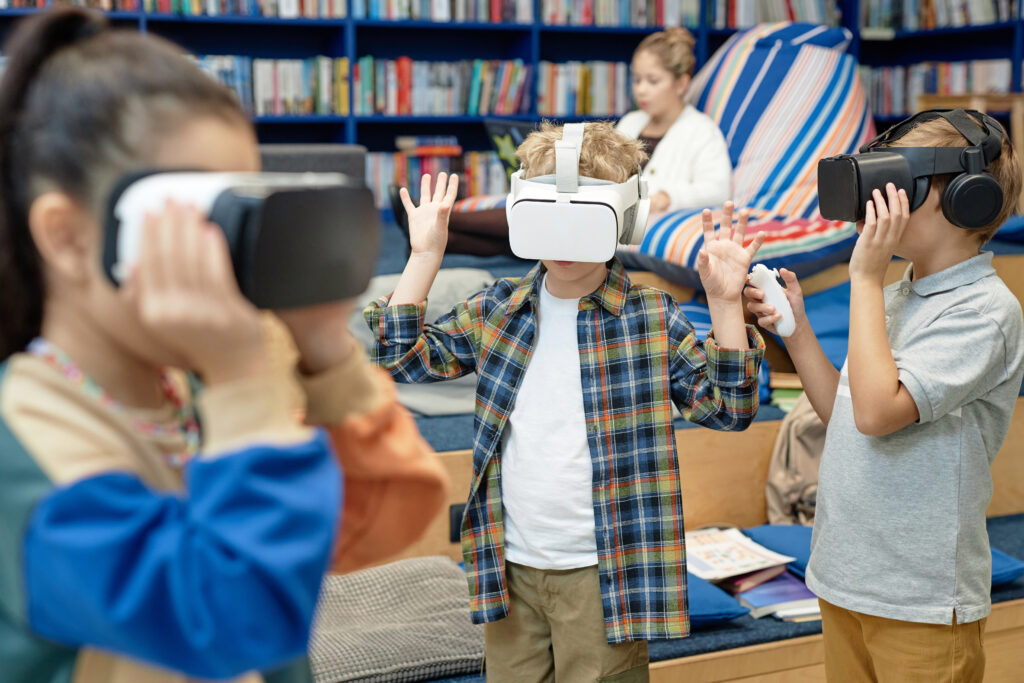
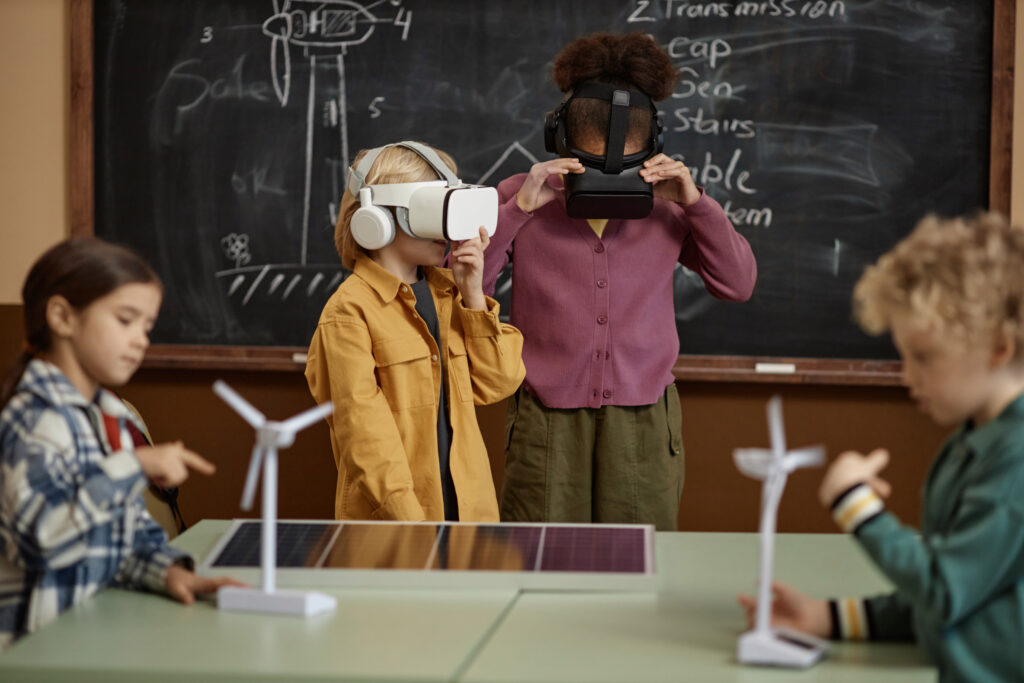
Emerging technologies such as virtual reality (VR) and augmented reality (AR) are pushing the boundaries even further. These tools enable immersive learning experiences where students can interact with content in entirely new ways. Imagine exploring historical events in a virtual environment or conducting scientific experiments in a simulated lab—these experiences make learning not just informative, but memorable.
Data analytics also plays a critical role. By tracking student behavior and performance, educators can gain valuable insights into learning patterns. This allows for the personalization of gamified experiences, ensuring that each learner receives challenges and support tailored to their needs.
Challenges and Considerations
Despite its many advantages, gamification is not a universal solution. Poorly designed systems can lead to superficial engagement, where students focus on rewards rather than learning. This highlights the importance of aligning game mechanics with educational objectives.
Another challenge is maintaining balance. Too much emphasis on competition can create stress, while excessive rewards can diminish intrinsic motivation. Effective gamification requires careful planning, continuous evaluation, and a deep understanding of student needs.
It is also essential to ensure inclusivity. Gamified systems should be accessible to all learners, regardless of their abilities or backgrounds. This includes designing interfaces that accommodate different learning styles and providing alternative pathways for success.
The Future of Gamified Education
Looking ahead, gamification is poised to become an integral part of modern education. As technology continues to evolve, the line between learning and interactive experience will become increasingly blurred. Future educational environments will likely be more adaptive, immersive, and personalized than ever before.
Artificial intelligence will further enhance gamification by enabling real-time adaptation of content and challenges. Learning systems will be able to respond dynamically to student behavior, creating experiences that are both engaging and highly effective.
At the same time, the focus will shift from simply adding game elements to designing holistic learning ecosystems. These ecosystems will integrate gamification seamlessly into the broader educational journey, ensuring that engagement and learning outcomes go hand in hand.
Conclusion: A Strategic Approach to Better Learning
Gamification in education represents more than a trend—it is a strategic approach to addressing some of the most persistent challenges in learning. By combining the motivational power of games with sound educational principles, it creates environments where students are not only engaged but genuinely invested in their progress.
The key to success lies in thoughtful design. Gamification should enhance learning, not distract from it. When implemented with intention and care, it has the potential to transform education into a more dynamic, inclusive, and effective experience.
If you’re thinking about applying gamification—whether as a teacher, instructional designer, or organization—don’t start with points and badges. Start with the learner. Understand what drives them, where they struggle, and what success looks like. Then build a system that supports that journey. That’s where gamification stops being a gimmick and starts delivering real results.