
User Experience (UX) Principles in Modern Application Development
Understanding User Experience
User experience (UX) is the foundation of how people interact with digital products. At its simplest, UX describes the overall impression, feeling, and effectiveness of a user’s interaction with an application, system, or service. However, in modern app development, UX goes far beyond usability alone—it encompasses every touchpoint a user has with a product, from first exposure to long-term engagement.
A well-designed user experience is invisible when done right. Users do not stop to think about how an app works; they simply achieve their goals efficiently and without frustration. On the other hand, poor UX becomes immediately noticeable—confusing navigation, slow responses, or unclear feedback quickly lead to dissatisfaction and abandonment.
In today’s competitive digital landscape, UX is not just a design concern; it is a strategic business priority. Organizations that invest in thoughtful user experiences build products that users trust, enjoy, and return to regularly.
Why User Experience Matters in Software Development
User experience plays a critical role in determining whether an application succeeds or fails. Modern users have high expectations—they demand speed, simplicity, and consistency across devices and platforms. If an app fails to meet these expectations, users will quickly move on to alternatives.
From a business perspective, UX directly impacts key outcomes. Applications with intuitive design and smooth workflows tend to have higher adoption rates because users can quickly understand how to use them. Retention also improves when users feel comfortable and confident navigating a product. Conversely, poor UX leads to increased support costs, as users struggle to complete tasks and require assistance.
Beyond usability, UX shapes perception. A seamless experience communicates professionalism, innovation, and reliability. It strengthens brand identity and builds long-term loyalty. In many cases, UX becomes a differentiator that sets a product apart in crowded markets.
Ultimately, investing in UX is not just about making things look better—it is about creating meaningful interactions that drive both user satisfaction and business growth.
UX and UI: Understanding the Difference
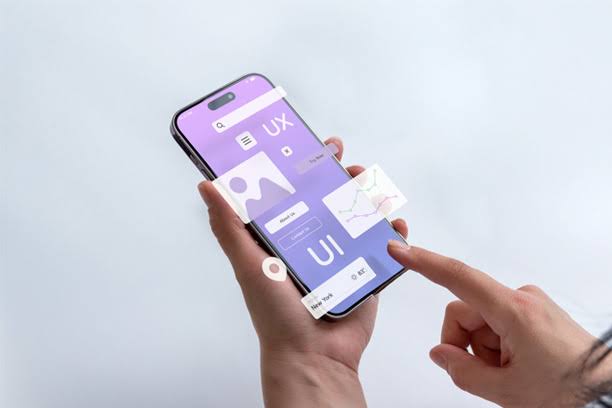
Although UX and UI are often mentioned together, they represent distinct aspects of product design. User experience focuses on the overall journey—how users move through an application, how easily they complete tasks, and how they feel during the process.
User interface (UI), on the other hand, refers to the visual and interactive elements that users directly engage with. This includes buttons, menus, typography, colors, and layout structures. UI is what users see; UX is how they experience what they see.
The relationship between UX and UI is deeply interconnected. A visually appealing interface cannot compensate for a confusing or inefficient user journey. Likewise, a well-structured experience loses impact if the interface feels outdated or unintuitive. Successful products balance both, ensuring that design aesthetics support functionality rather than distract from it.
A useful way to understand the distinction is to think of UX as the journey and UI as the tools that guide users along that journey. When both are aligned, the result is a cohesive and satisfying experience.
UX vs. Customer Experience (CX)
User experience is often confused with customer experience (CX), but the two operate at different levels. UX focuses specifically on interactions within a product—how users navigate an interface, complete actions, and achieve their goals.
Customer experience is broader. It encompasses every interaction a person has with a brand, including marketing, sales, customer support, and product usage. CX is the sum of all touchpoints, while UX represents a critical part of that larger journey.
The connection between UX and CX is significant. A well-designed user experience improves individual interactions, making them smooth and efficient. When these interactions are consistent across platforms and channels, they contribute to a cohesive customer experience.
In an era where users frequently switch between devices and expect seamless continuity, organizations must design with the entire journey in mind. Strong UX ensures that each moment works well; strong CX ensures that all those moments connect into a unified experience.
Core Principles of User Experience
Effective UX design is guided by a set of foundational principles that ensure applications meet both user needs and business objectives.
Usability
Usability is the cornerstone of UX. Applications must enable users to complete tasks quickly and without unnecessary effort. Clear navigation, logical flows, and minimal friction are essential. When users can accomplish their goals without confusion or extensive learning, the experience feels natural and efficient.
Consistency
Consistency reduces cognitive load. When design patterns, terminology, and interactions remain uniform across an application, users do not need to relearn how things work. This leads to faster onboarding and a smoother overall experience.
Accessibility
Inclusive design ensures that applications are usable by people of all abilities. Accessibility considerations include readable text, sufficient color contrast, keyboard navigation, and compatibility with assistive technologies. Designing for accessibility not only expands your audience but also improves usability for everyone.
User-Centric Design
A successful UX strategy begins with understanding real users. Decisions should be based on research, behavior analysis, and feedback rather than assumptions. By focusing on actual needs and goals, designers create solutions that resonate with users and provide real value.
Feedback and Responsiveness
Users need clear feedback when they interact with an application. Whether it is a button click, form submission, or system error, immediate responses help users understand what is happening. This builds confidence and prevents confusion.
Emotional Design
UX is not only functional—it is emotional. Thoughtful design elements such as animations, microinteractions, and tone of voice can create positive feelings and strengthen user engagement. When users enjoy an experience, they are more likely to return.
Performance and Scalability
Speed and reliability are essential components of UX. Users expect applications to respond instantly, regardless of device or network conditions. As products grow, maintaining consistent performance and design becomes crucial. Scalable systems and reusable components help ensure that quality does not degrade over time.
The Business Impact of UX
The benefits of strong UX extend far beyond user satisfaction. Organizations that prioritize user experience often see measurable improvements in key performance indicators.
A seamless experience increases customer satisfaction, which in turn drives loyalty and repeat usage. Users who find value in an application are more likely to recommend it to others, contributing to organic growth.
Conversion rates also improve when friction is removed from the user journey. Whether the goal is completing a purchase, signing up for a service, or submitting information, intuitive design makes it easier for users to take action.
From a development perspective, investing in UX early reduces costly rework. By validating ideas through research and testing, teams can identify issues before they become expensive problems. This leads to faster development cycles and more efficient resource use.
Additionally, strong UX enhances brand perception. Applications that feel smooth and intuitive reflect positively on the organization behind them, reinforcing trust and credibility.
Best Practices for Improving User Experience
Improving UX is an ongoing process that requires continuous attention and iteration. Successful teams adopt a mindset of constant refinement, using data and feedback to guide decisions.
Simplicity should always be a priority. Interfaces that are cluttered or overly complex create unnecessary barriers. Clear, straightforward designs help users focus on what matters and complete tasks efficiently.
Predictability is equally important. When interactions behave as users expect, they feel more confident navigating the application. Familiar patterns and logical structures contribute to a sense of control.
Efficiency plays a major role in user satisfaction. Reducing the number of steps required to complete tasks, pre-filling information when possible, and streamlining workflows all contribute to a smoother experience.
Design thinking encourages empathy. By understanding user motivations and pain points, teams can create solutions that address real challenges rather than imagined ones. This approach leads to more meaningful and effective products.
Feedback mechanisms are essential. Users should always know what is happening within the system. Clear confirmations, error messages, and visual cues help guide them and prevent frustration.
Adaptability ensures long-term success. As applications evolve, their design must remain flexible enough to accommodate new features without compromising consistency. A strong design system supports growth while maintaining a cohesive experience.
Conclusion
User experience is no longer optional—it is a fundamental component of modern application development. It influences how users perceive, interact with, and ultimately value a product. By focusing on usability, consistency, accessibility, and emotional engagement, organizations can create applications that not only meet user needs but exceed expectations.
The most successful digital products are those that feel effortless to use. Achieving this level of simplicity requires careful planning, continuous iteration, and a deep understanding of users. When UX is treated as a core strategy rather than an afterthought, it becomes a powerful driver of both user satisfaction and business success.