
How to Build an Online Community from Scratch: The Deep Human Need Behind Lasting Engagement
Beyond Technology — Understanding Human Nature
At first glance, building an online community may seem like a technical or strategic challenge. Choose a platform, invite users, post content, and watch it grow—simple, right? In reality, most communities fail not because of poor tools or lack of promotion, but because they misunderstand something far more fundamental: human nature.
The truth is direct and unavoidable. People don’t join communities because of features. They stay because of feelings. Specifically, they stay because a community satisfies one of the most powerful and deeply rooted human drives—the need to belong.
This article takes a deeper look at why some online communities thrive while others fade into irrelevance. It explores psychology, human evolution, and behavioral patterns to uncover what truly drives engagement, loyalty, and long-term participation.
The Illusion of “Build It and They Will Come”
There’s a popular belief that if you create something valuable, people will naturally gather around it. And to some extent, that’s true—at least in the beginning. A compelling idea, brand, or purpose can attract initial attention. You might see a spike in sign-ups or early activity.
But here’s the hard reality: attention is not the same as commitment.
Many communities experience an early burst of growth followed by stagnation. Members join, browse briefly, maybe interact once or twice—and then disappear. This pattern is incredibly common. Even organizations with resources and strategy struggle to maintain consistent engagement.
Why does this happen?
Because attracting people is easy compared to giving them a reason to stay.
Sustainable communities are not built on novelty or convenience. They are built on emotional connection and psychological fulfillment. Without those elements, even the most well-designed platform will eventually feel empty.
A Look Back: Humans Are Wired for Connection
To understand online behavior, you need to step far outside the digital world and look at human history.
Millions of years ago, early humans survived not as individuals, but as groups. These groups shared resources, protected each other, and developed social bonds that increased their chances of survival. Belonging to a group was not optional—it was essential.
Over time, this need became hardwired into our psychology.
Humans evolved to seek connection, recognition, and acceptance within a group. Being part of something larger than oneself provided not only safety, but also identity and meaning.
Fast forward to today, and although our environment has changed dramatically, our core instincts have not. We may no longer rely on tribes for physical survival, but we still depend on them for emotional and psychological well-being.
Online communities are, in many ways, modern tribes.
The Concept of a “Tribe” in the Digital Age
A tribe is more than just a group of people. It is a shared identity.
Traditionally, tribes were formed through culture, geography, or kinship. Today, they are often formed through shared interests, beliefs, goals, or experiences. Whether it’s a fitness group, a gaming community, or a professional network, the principle remains the same.
People are drawn to others who are like them.
They look for spaces where they feel understood without needing to explain themselves. Where their opinions are validated. Where they are not outsiders, but insiders.
This is what gives a community its “tribe factor.”
When a community successfully creates this sense of belonging, something powerful happens. Members stop being passive users and become active participants. They contribute, support each other, and invest emotionally in the space.
Without this tribal identity, a community is just a collection of individuals. With it, it becomes a living, breathing ecosystem.
The Psychology of Belonging: Why It Matters So Much
The need to belong is not just a social preference—it is a psychological necessity.
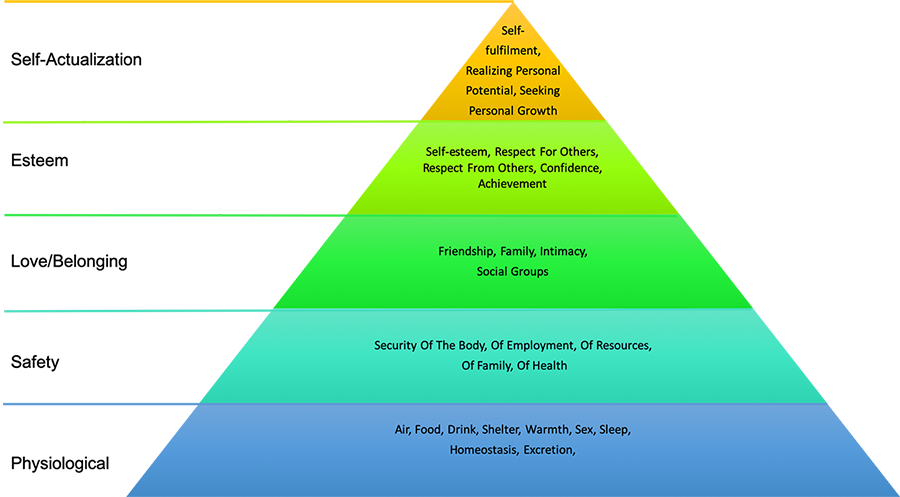
Decades ago, psychologist Abraham Maslow introduced the concept of a hierarchy of human needs. While often simplified into a pyramid, the core idea is straightforward: humans are motivated by a series of needs, from basic survival to self-fulfillment.
What’s particularly important is where belonging fits into this structure.
The need for social connection sits above basic physical needs like food and safety. It includes friendship, intimacy, acceptance, and community. Without it, people experience loneliness, anxiety, and a lack of purpose.
In other words, belonging is not a luxury—it’s essential.
Modern research continues to support this. Studies consistently show that people with strong social connections are happier, healthier, and more resilient. They have higher self-esteem and a stronger sense of identity.
Now apply this to online communities.
If your community fulfills this need, people will return again and again. If it doesn’t, they will leave—no matter how useful or interesting your content may be.
Why Most Communities Struggle With Engagement
Let’s be honest. Many online communities feel empty, even when they have members.
You’ll often see low interaction, minimal discussion, and a lack of meaningful relationships. This isn’t because people don’t care—it’s because the environment doesn’t give them a reason to care.
Here are the uncomfortable truths:
Most communities focus too much on content and not enough on connection.
They prioritize information over interaction.
They treat members as users, not as people.
As a result, members don’t feel seen, heard, or valued.
And when people don’t feel valued, they disengage.
What Makes People Stay: The Core Drivers of Engagement
If you strip everything down to its essence, people stay in communities for a few deeply human reasons.
They stay because they feel recognized.
They stay because they feel useful.
They stay because they feel understood.
A strong community creates an environment where members can both give and receive value. It is not a one-way flow of information—it is a network of relationships.
This reciprocity is critical.
When people help others, they feel a sense of purpose. When they receive support, they feel connected. Over time, these interactions build trust, and trust builds loyalty.
Creating a Sense of Identity Within Your Community
One of the most overlooked aspects of community building is identity.
People don’t just want to join something—they want to become someone within it.
This means your community needs to offer more than access. It needs to offer meaning.
A strong identity can be built through shared language, values, traditions, and culture. Even small things—like inside jokes or recurring events—can strengthen the feeling of belonging.
When members start to say “this is my community,” you’ve crossed an important threshold.
That’s when a platform becomes a home.
Designing a Community That Feels Like Home
If you want people to stay, your community must feel safe, welcoming, and alive.
This doesn’t happen automatically. It requires intentional design and consistent effort.
A community that feels like home has a few key qualities:
It encourages authentic interaction rather than superficial engagement.
It supports growth, learning, and personal development.
It allows members to express themselves without fear of judgment.
Most importantly, it makes people feel that they matter.
Because at the end of the day, that’s what everyone is really looking for.
The Role of Purpose: Giving People a Reason to Gather
While belonging is the emotional core, purpose is the structural foundation.
A community without a clear purpose will eventually drift. Members won’t know why they’re there or what they’re contributing to.
A strong purpose acts as a unifying force. It aligns members, guides conversations, and creates a sense of direction.
But here’s the key: purpose alone is not enough.
You can bring people together with a shared goal, but only belonging will keep them together.
The Unchanging Truth: Human Nature Drives Everything
Technology evolves. Platforms change. Trends come and go.
But human nature remains constant.
People still seek connection.
They still crave recognition.
They still want to belong.
This is the foundation of every successful community, whether online or offline.
If you ignore this, your community will struggle—no matter how innovative your approach may be.
If you embrace it, you unlock something powerful.
Conclusion: Build for Humans, Not Just Users
If you take one thing from this, let it be this:
A successful online community is not built on features, content, or growth hacks. It is built on understanding people.
You are not just creating a platform. You are creating a space where individuals come to feel connected, valued, and understood.
That’s a serious responsibility—but also a massive opportunity.
So don’t just ask how to grow your community.
Ask whether it gives people a reason to belong.
Because when you get that right, everything else follows.